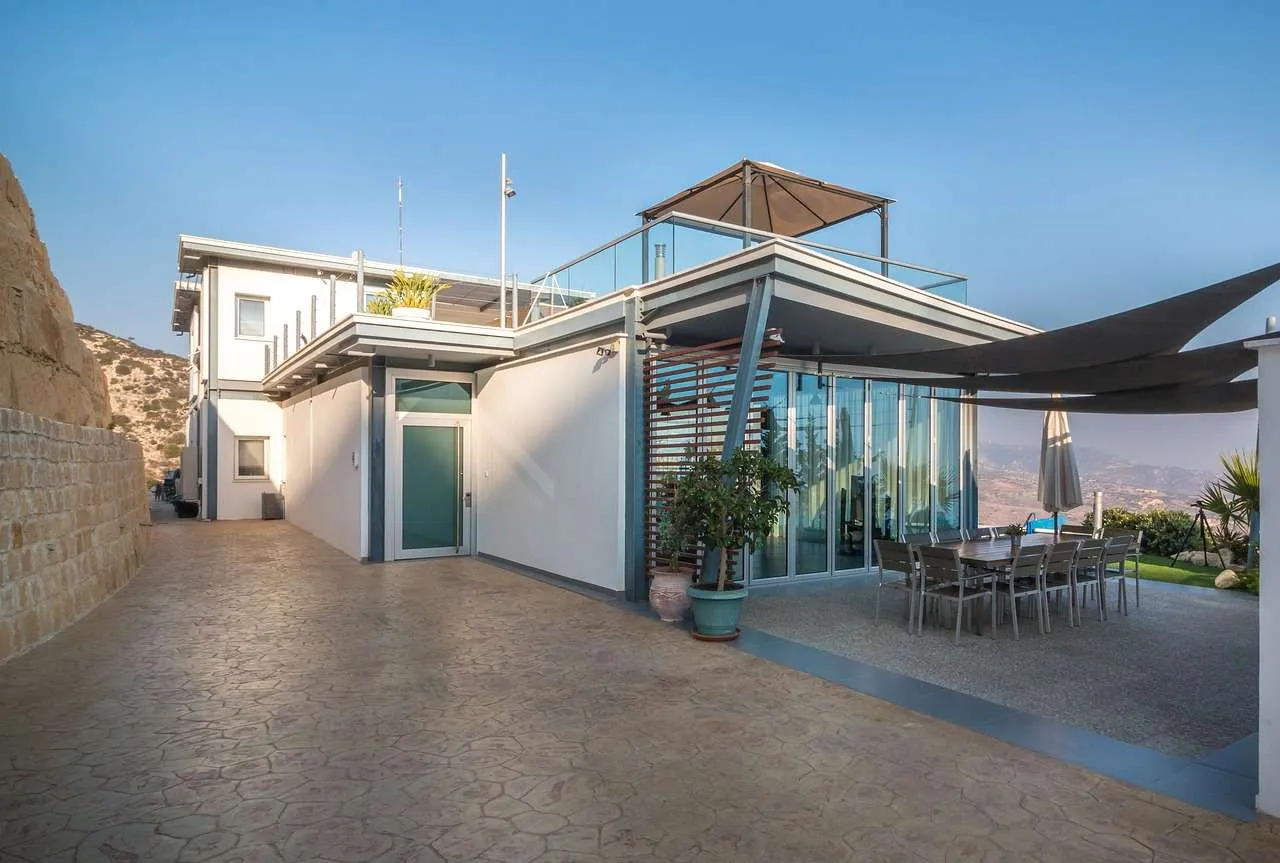
Roofing and roof repairs are essential to protect your home from the elements, preserve energy efficiency, and maintain property value. This guide delivers expert insights on spotting damage, understanding repair options, and choosing a trusted professional. Written to reflect industry best practices, it helps homeowners navigate decisions with confidence and safety in mind.
Understanding roofing and when repairs are needed
Roofing encompasses the layers that shield a home from weather, typically including shingles or panels, underlayment, and supportive decking. Over time, weather, debris, and aging can create vulnerabilities that require roof repairs rather than full replacement. Recognizing early signs can prevent costly damage and extend the life of your roof.
Common causes of roof damage
- Severe storms, hail, and high winds that lift or crack shingles
- Heavy snowfall and ice damming that trap moisture and seep under shingles
- Aging materials and worn flashing around chimneys, vents, and edges
- Improper installation or ventilation leading to premature wear
- Tree limbs and debris causing physical damage or moisture pooling
Signs you need roof repairs
- Visible missing, curled, or cracked shingles
- Water stains on ceilings or attic walls
- Granule buildup in gutters or on the ground near the foundation
- SRC noises, such as creaks or pops, from attic spaces
- Sagging sections or warped decking detected during inspection
- Repeated leaks in the same area after rainfall
Types of roof repairs you may encounter
Roof repairs range from quick fixes to more involved work, and they can be categorized as follows. Each option has different implications for cost, duration, and durability:
- Shingle replacement for damaged or missing shingles
- Flashing repairs around vents, chimneys, and skylights to stop leaks
- Decking and underlayment patches when moisture has penetrated the structure
- Sealant and waterproofing for small gaps or cracks
- Ventilation improvements to prevent future moisture buildup
For many homes, routine maintenance and timely repairs keep the roof functional without the higher cost of full replacement. Always rely on a licensed professional for assessment, as improper repairs can lead to recurring problems and safety risks.
What to expect during roof repairs
A typical repair process includes a thorough inspection, an itemized estimate, and a clear scope of work. A reputable contractor will discuss materials, labor, and warranty coverage. The timeline depends on the roof’s size, accessibility, and weather conditions. Be sure to obtain written estimates and confirm that the contractor is insured and licensed. Request references and verify they perform cleanups after each repair to minimize disruption to your daily life. If an emergency leak is present, some contractors offer rapid-response service to mitigate further damage and preserve your home’s structure.
Choosing a roofing contractor
Selecting a trustworthy roofer is essential for durable results and project safety. Use these steps to evaluate candidates:
- Verify licensing and insurance coverage, including workers’ compensation
- Ask for manufacturer certifications and product warranties for roofing materials
- Review recent projects and request written, detailed estimates
- Check references and read independent reviews from local homeowners
- Clarify timelines, permits, and disposal of old materials
Throughout the process, prioritize communication, transparency, and a clear written contract. A durable roof repair or replacement is an investment in safety and energy efficiency, so choose a contractor who demonstrates expertise, credibility, and a commitment to quality workmanship.
Maintenance tips to extend roof life
Preventive maintenance reduces the frequency of repairs and preserves roof integrity. Consider these practices as part of a quarterly or biannual routine:
- Inspect and clean gutters to prevent water backup and fascia damage
- Trim overhanging branches that could abrade shingles or clog drainage
- Inspect attic ventilation to avoid moisture buildup and ice dam formation
- Remove debris from roofs carefully to avoid scratching shingles
- Schedule a professional roof inspection after severe weather or every few years, depending on material
Summary table: repair, replacement, and maintenance
| Service | Pros | Cons | Typical Cost Range |
|---|---|---|---|
| Roof Repair | Stops leaks, preserves existing roof | May be temporary if underlying issues persist | 150–1500 |
| Roof Replacement | Long-term solution, updated materials | Higher upfront cost and disruption | 5000–15000 |
| Roof Maintenance | Prevents major damage, extends life | Requires scheduled visits | 200–600 per visit |
| Emergency Roof Repair | Stops water intrusion quickly | Often costly on short notice | 300–2500 |
Note on EEAT and best practices: the information provided reflects industry guidelines and common homeowner needs. Always consult a licensed, insured professional for roof repairs or replacement, and verify warranties and safety standards before any work begins. By prioritizing expertise, authoritative references, and trustworthy contractors, you protect your home and ensure long-term performance of your roofing system.
Conclusion: Regular assessment, timely repairs, and professional guidance are the foundations of a durable roof. By understanding when to repair, what options exist, and how to select a qualified roofer, you can maintain the roof over your home with confidence and minimize disruption to your daily life. Summary: Roofing and roof repairs safeguard your home, extend asset life, and improve energy efficiency when approached with expert care and a clear plan.